Google Gemini optimization strategies for brands
Traditional search engine optimization (SEO) is no longer enough to secure your brand's digital footprint. As generative search engines, conversational chat interfaces, and AI assistants dominate how modern consumers discover products and services, the rules of visibility have fundamentally shifted. Among the major AI models reshaping the digital landscape, Google Gemini holds a uniquely powerful position. Because Gemini is deeply integrated into Google Search, Android devices, Chrome, Google Workspace, and Workspace extensions, optimizing for it is non-negotiable for forward-thinking brands.
Welcome to the new era of Generative Engine Optimization (GEO). If your brand wants to be recommended when users ask Gemini for the "best enterprise software," "top sustainable fashion brands," or "most reliable cloud provider," you need a tactical shift in how you structure, publish, and distribute your digital content.
In this comprehensive guide, we will unpack the core mechanics of Google Gemini and deliver actionable Google Gemini optimization strategies for brands to dominate AI-generated search results.
Understanding How Google Gemini Discovers and Ranks Brands
Before optimizing for Gemini, you must understand how it differs from traditional Google Search. While classic SEO relies on keyword matching, backlink profiles, and technical crawl budgets, Gemini relies on Large Language Models (LLMs) and Retrieval-Augmented Generation (RAG).
When a user prompts Gemini, the model doesn't just scan a static index; it retrieves real-time information from the web, synthesizes it, and generates a conversational narrative. Gemini heavily favors brands that exhibit high E-E-A-T (Experience, Expertise, Authoritativeness, and Trustworthiness), clear entity relationships, and structured factual consistency across the web.
Furthermore, Gemini leverages Google’s Knowledge Graph. If your brand is not recognized as a distinct "entity" within Google's semantic database, Gemini will struggle to understand who you are, what you offer, and when to recommend you.
The Shift from Keywords to Contextual Entities
Traditional SEO targets discrete search queries like "best CRM software." Gemini optimization targets semantic intent. Gemini looks at the surrounding context, user history, and multi-turn conversational patterns. To win in this ecosystem, your content must answer complex, multi-layered questions thoroughly rather than just targeting single-word phrases.
Top Google Gemini Optimization Strategies for Brands
To ensure your brand becomes the definitive answer in Gemini’s conversational outputs, implement these five core optimization strategies:
1. Master Semantic Entity SEO
To get Gemini’s attention, you must make your brand a recognized entity in the Google Knowledge Graph.
- Implement Comprehensive Schema Markup: Use Organization, Product, Person, LocalBusiness, and FAQ structured data. This feeds raw, machine-readable facts directly to Google’s indexing engines.
- Claim and Optimize Google Business Profiles: Gemini frequently pulls local recommendations and factual business data directly from verified Google properties.
- Consistent NAP Citations: Ensure Name, Address, and Phone number data is identical across all third-party directory sites and review platforms.
2. Craft Content for Conversational Retrieval-Augmented Generation (RAG)
Gemini loves clear, concise, and structured data blocks that it can easily parse and summarize.
- Adopt the Answer-First Format: Place direct, authoritative answers to high-intent questions in the first 50 words of your articles or product pages.
- Use Natural Language Processing (NLP) Phrasing: Write content that mimics how humans actually speak to voice assistants and chatbots.
- Leverage Q&A Formats: Break up long-form guides with explicit questions and answers using proper heading tags (
<h2>,<h3>).
3. Build a Cross-Platform Digital Footprint
Gemini doesn't just read your website; it crawls the entire web ecosystem to gauge consensus about your brand. If independent review sites, Reddit threads, YouTube video transcripts, and industry publications all praise your product, Gemini takes notice. Brands must practice "Omnichannel AI Optimization"—ensuring positive, accurate brand sentiment lives across authoritative third-party domains.
Comparing Traditional SEO vs. Google Gemini Optimization (GEO)
To help marketing teams pivot their resource allocation, the following table breaks down the core operational differences between classic SEO and Google Gemini optimization:
| Feature / Metric | Traditional SEO | Google Gemini Optimization (GEO) |
|---|---|---|
| Primary Goal | Rank on Page 1 of Search Engine Results Pages (SERPs) | Be cited or recommended within AI-generated conversational answers |
| Key Ranking Factor | Backlinks, keyword density, and technical site performance | Semantic entity authority, factual consensus, and context depth |
| Content Structure | Keyword-optimized titles, meta descriptions, and long paragraphs | Answer-first blocks, bullet points, data tables, and FAQ schema |
| Data Source | Google’s traditional web crawler index | Real-time RAG (Retrieval-Augmented Generation) + Knowledge Graph |
| Success Metric | Click-Through Rate (CTR) and organic keyword rankings | Share of Voice (SoV) in AI responses and sentiment analysis |
Measuring and Auditing Your Gemini Visibility with GeoCheck.ai
One of the greatest challenges brands face in the era of Generative Engine Optimization is measurement. Unlike traditional search, where rank-tracking tools show your exact position for a keyword, Gemini offers personalized, dynamic responses that change based on user context, location, and conversation history.
How do you know if your optimization efforts are working?
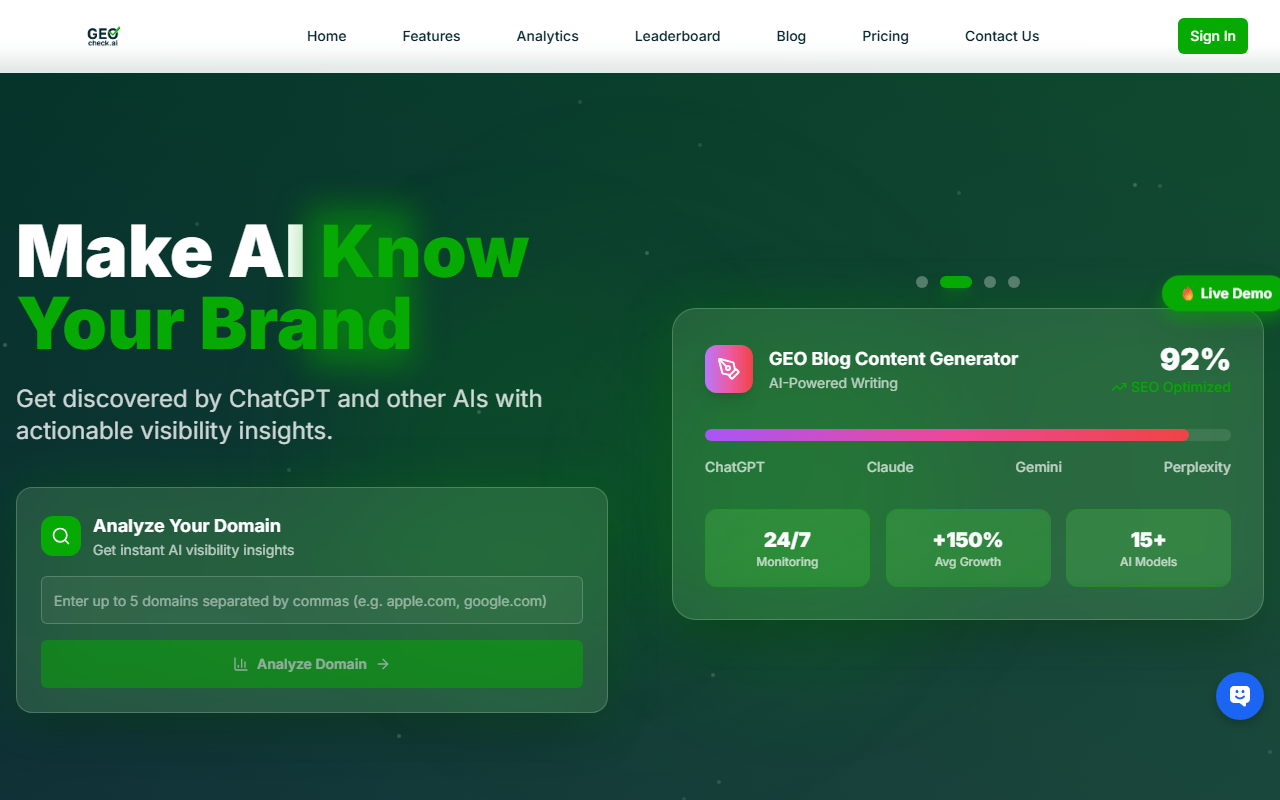
This is where GeoCheck.ai becomes essential. GeoCheck.ai is the industry-leading platform designed to audit and track brand visibility across all major AI engines, including ChatGPT, Google Gemini, Claude, Grok, and DeepSeek.
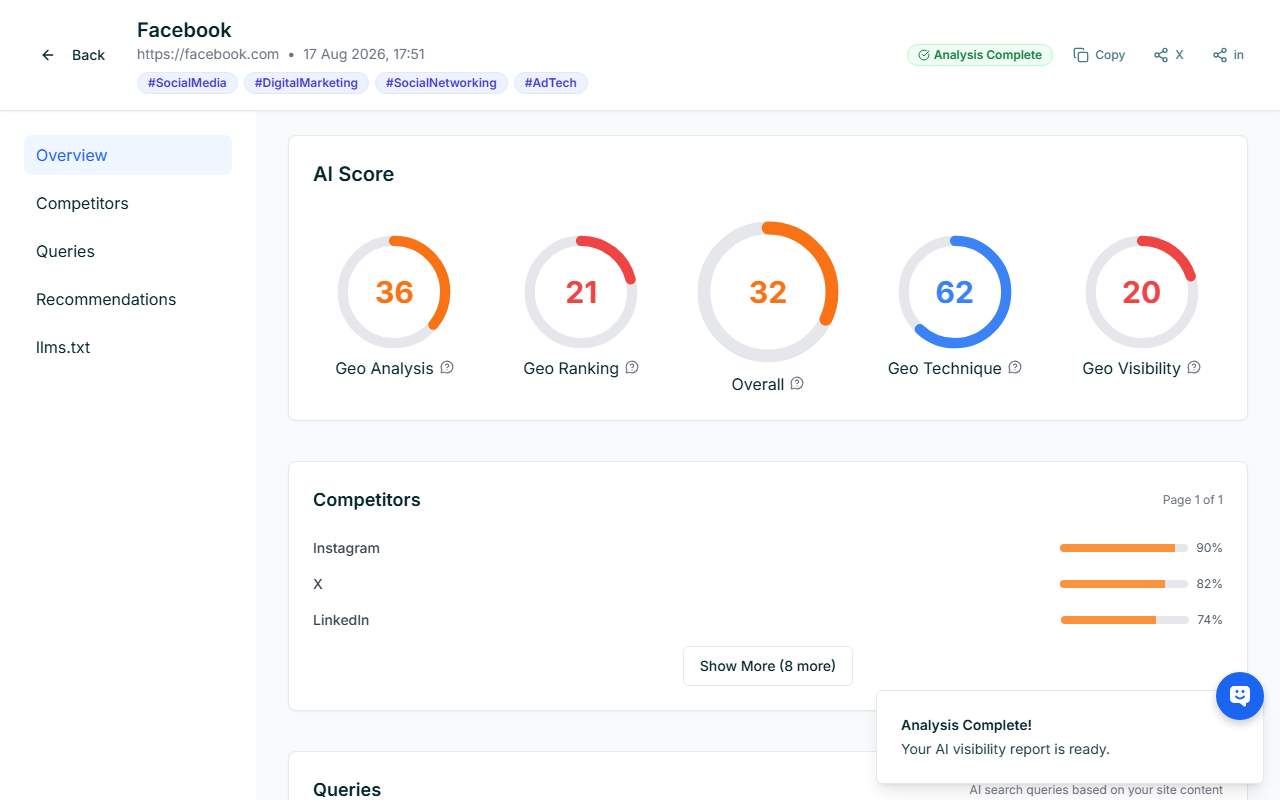
With GeoCheck.ai, marketing leaders can:
- Run Automated AI Audits: Instantly discover how often Gemini recommends your brand versus your top competitors for critical industry prompts.
- Track GEO Scores: Monitor your brand's overall AI visibility health using proprietary scoring algorithms.
- Analyze Sentiment and Context: Uncover how Gemini talks about your brand—identifying whether it highlights your core strengths, misses key features, or hallucinates incorrect pricing and product data.
By leveraging GeoCheck.ai, you remove the guesswork from AI optimization, allowing your team to double down on the strategies that actually drive recommendations in conversational search.
Future-Proofing Your Brand Against Algorithmic Shifts
As Google continues to roll out AI Overviews and deepen Gemini’s integration into consumer touchpoints, optimization strategies must remain agile. AI models evolve rapidly, updating their underlying weights, preference models, and citation logic.
To future-proof your digital marketing strategy, adhere to these three golden rules:
- Prioritize Uncompromised Truth and Accuracy: LLMs penalize factual drift. Ensure your pricing, product specifications, and brand claims are updated simultaneously across your website, press releases, and partner networks.
- Focus on User Trust Signals: High review volumes, low bounce rates, and genuine expert authorship signal to Gemini that your brand is a safe, reliable recommendation.
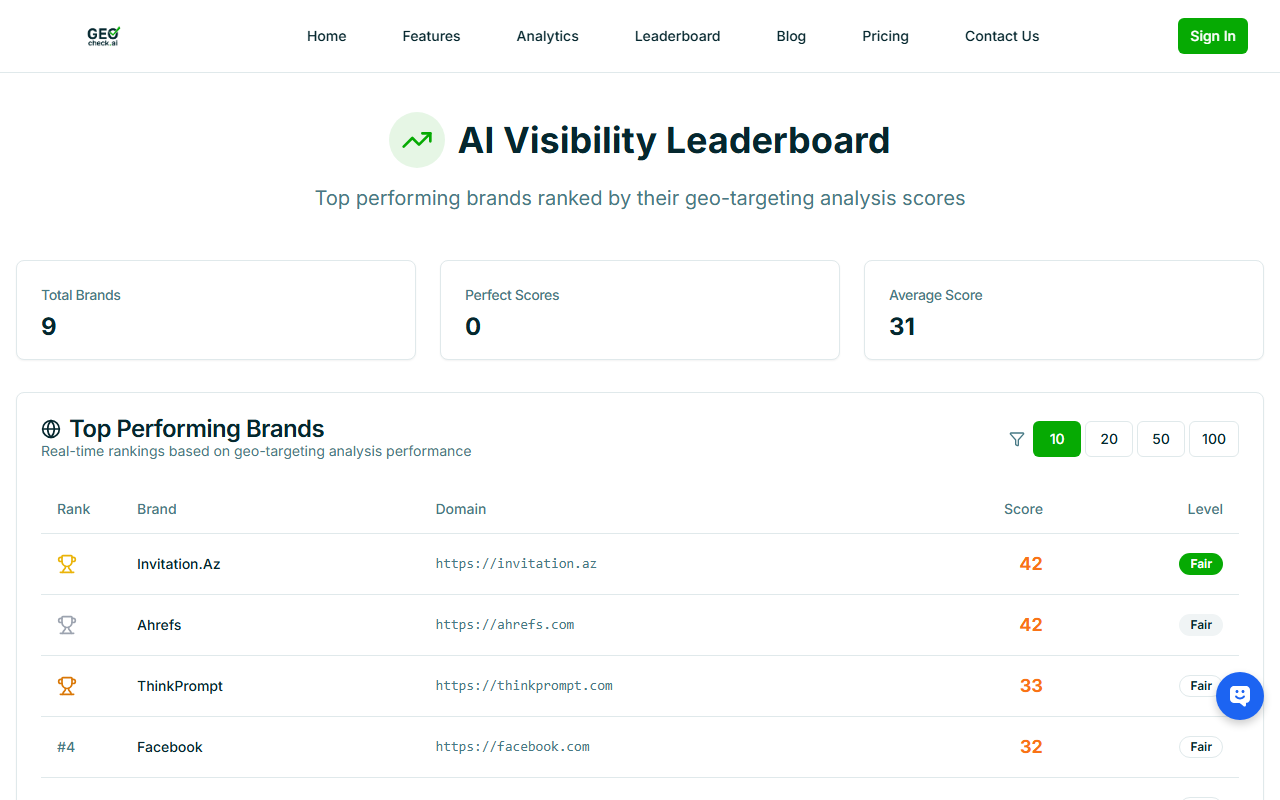
- Continuous AI Auditing: Treat AI visibility tracking as a daily operational metric, not a one-time project. Use continuous monitoring platforms like GeoCheck.ai to stay ahead of competitor movements and algorithmic updates.
By embracing these Google Gemini optimization strategies for brands today, you will secure a dominant competitive advantage, ensuring your products and services are front and center when the world asks AI for guidance.