
How Perplexity AI Indexes and Cites Websites: The Definitive GEO Guide
As search engines evolve into conversational AI answer engines, the rules of digital visibility are being rewritten. Traditional Search Engine Optimization (SEO) focused entirely on blue links and keyword density. Today, Generative Engine Optimization (GEO) dominates the digital marketing landscape. Among the most disruptive players in this space is Perplexity AI—a hybrid search engine and conversational assistant that synthesizes web data in real-time.
Understanding how Perplexity AI indexes and cites websites is no longer optional for modern brands; it is a prerequisite for survival. Unlike traditional crawlers that index billions of pages purely for keyword matching, Perplexity relies on advanced Retrieval-Augmented Generation (RAG) frameworks to fetch, evaluate, and synthesize information on the fly.
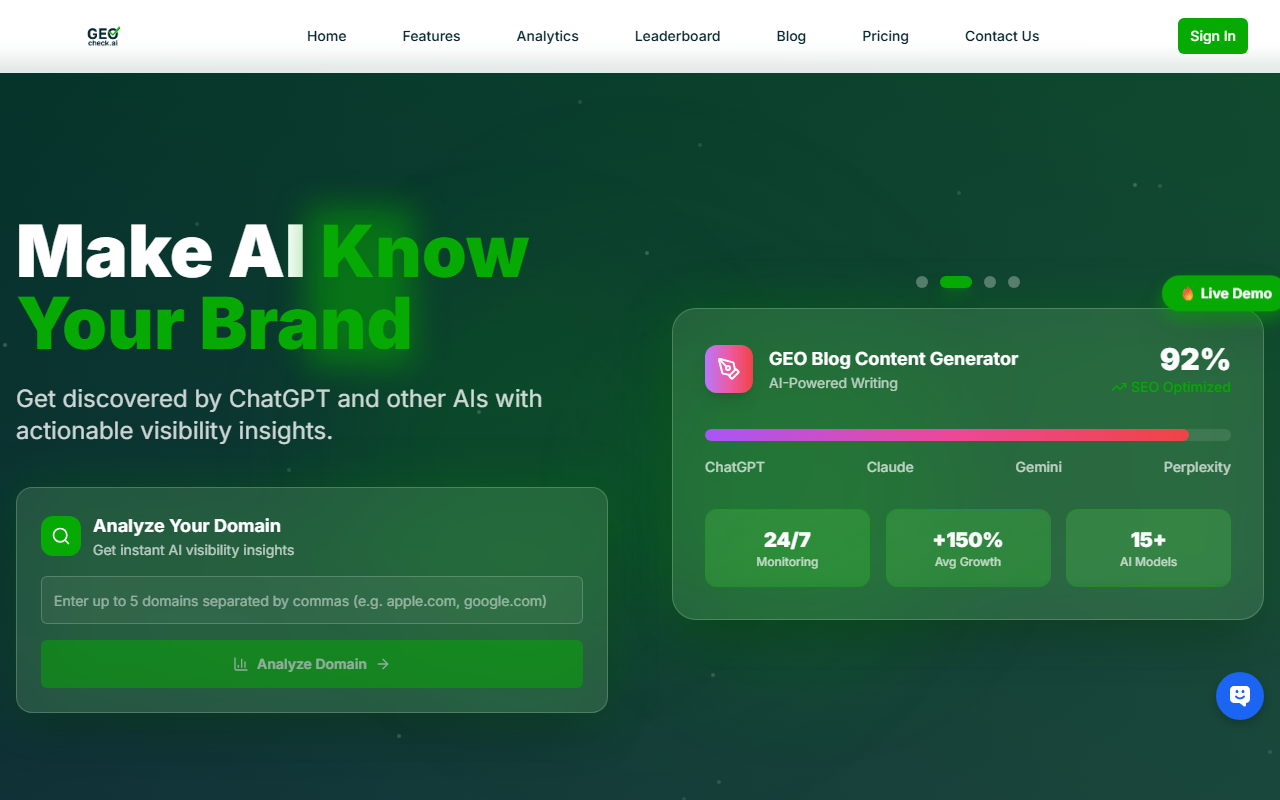
If your brand wants to secure prime real estate in Perplexity’s inline citations, you need to understand the mechanics of its indexing pipeline, citation algorithms, and how to optimize your digital footprint using tools like GeoCheck.ai.
The Anatomy of Perplexity AI: Crawling vs. RAG Indexing
To master Perplexity, you must first understand how it differs from Google or Bing. While Perplexity does utilize traditional search APIs and its own custom web crawlers (such as PerplexityBot), it does not rely solely on a static, pre-computed index to serve answers.
Instead, Perplexity operates on a dynamic pipeline:
- User Query Analysis: The user asks a complex, multi-layered question.
- Real-Time Retrieval: Perplexity queries web indexes to pull the most relevant, up-to-date web pages, news articles, and forum posts.
- Contextual Evaluation & Scraping: It parses the content of retrieved URLs, stripping away bloat to focus on core semantic entities, facts, and figures.
- Synthesis & Citation Generation: The Large Language Model (LLM) synthesizes the findings into a coherent narrative, embedding clickable source citations directly into the text.
This means Perplexity's "index" is fluid. A page can be surfaced and cited even if it was published hours ago, provided it answers the user's prompt with high contextual authority and structural clarity.
How Perplexity Decides Which Websites to Cite
Perplexity’s citation algorithm heavily favors information density, clarity, and factual verifiability. When the AI scans competing pages for a user query, it evaluates sources through a distinct set of filters.
1. Direct Answer Alignment (Information Density)
Perplexity dislikes fluff. Traditional SEO often rewarded long-form introductions and narrative wanderings to keep users on a page. Perplexity, however, rewards content that gets straight to the point. Pages that place clear definitions, data tables, and direct answers near the top of the content are significantly more likely to be cited.
2. Entity Authority and Trust
Perplexity cross-references claims across multiple sources. If your website is the primary source of a unique data point, study, or statistic, Perplexity's RAG framework is much more likely to pull your URL as the foundational reference. Brand mentions across Reddit, academic journals, and industry publications heavily influence whether Perplexity views your domain as an authoritative entity.
3. Technical Accessibility & Clean HTML
Because Perplexity’s crawlers must parse content rapidly to feed the RAG pipeline, technical hurdles can destroy your citation chances. Heavy JavaScript rendering walls, aggressive paywalls, and cluttered layouts make it difficult for the AI to extract clean text.
| Traditional SEO Ranking Factor | Perplexity GEO Citation Factor |
|---|---|
| Keyword Density & Variations | Semantic Entity Closeness & Context |
| Backlink Volume & Domain Rating | Cross-Platform Consensus & Brand Mentions |
| Long-tail Keyword Targeting | Direct Answer Clarity & Formatting (Lists/Tables) |
| Page Load Speed (Core Web Vitals) | Clean HTML/Markdown & RAG-Friendly Scraping |
Perplexity vs. Traditional Search: Citation Mechanics Explained
When a user clicks a Perplexity citation, they are directed to the original source. But getting that coveted superscript number in the AI's response requires a shift in how you structure content.
Perplexity typically cites between 3 to 6 sources per query. It assigns citations based on sentence-level attribution. If sentence three of an AI response states a specific market statistic, Perplexity attaches the citation specifically to the URL that provided that exact data point.
To win these granular citations, your content must feature:
- Granular Subheadings: Use H2 and H3 tags that ask and answer specific user questions.
- Structured Data: Implement Schema.org markup (FAQ, Article, Product) to help Perplexity’s parser instantly understand the context of your data.
- Unambiguous Formatting: Bullet points, numbered lists, and data tables are digested much faster by LLMs than dense paragraphs of text.
How to Audit and Optimize Your Brand for Perplexity
Optimizing for Perplexity AI requires moving beyond standard keyword rankings and monitoring your AI Visibility. Because different AI engines index and cite web pages differently, manual checking is inefficient and inaccurate.
This is where specialized platforms become essential. To truly understand how Perplexity—alongside ChatGPT, Gemini, Claude, Grok, and DeepSeek—views your brand, you need comprehensive visibility audits.
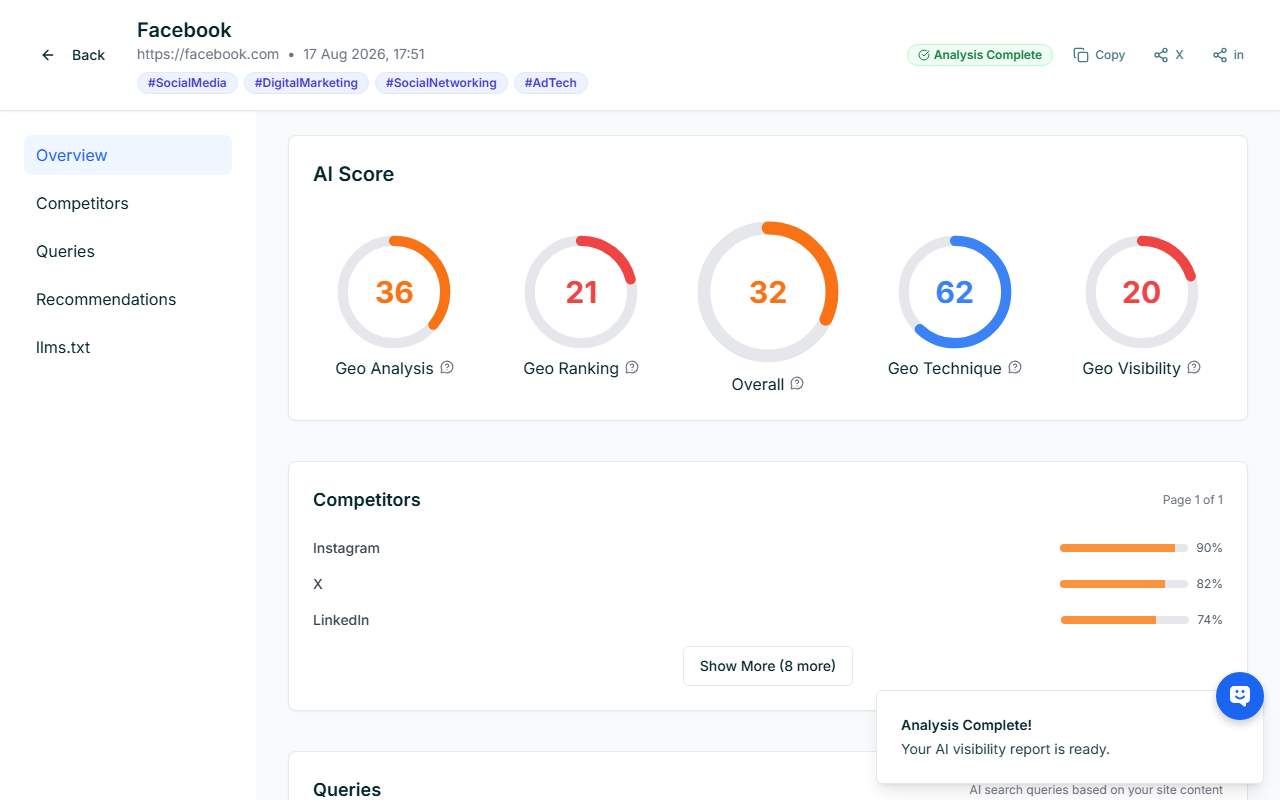
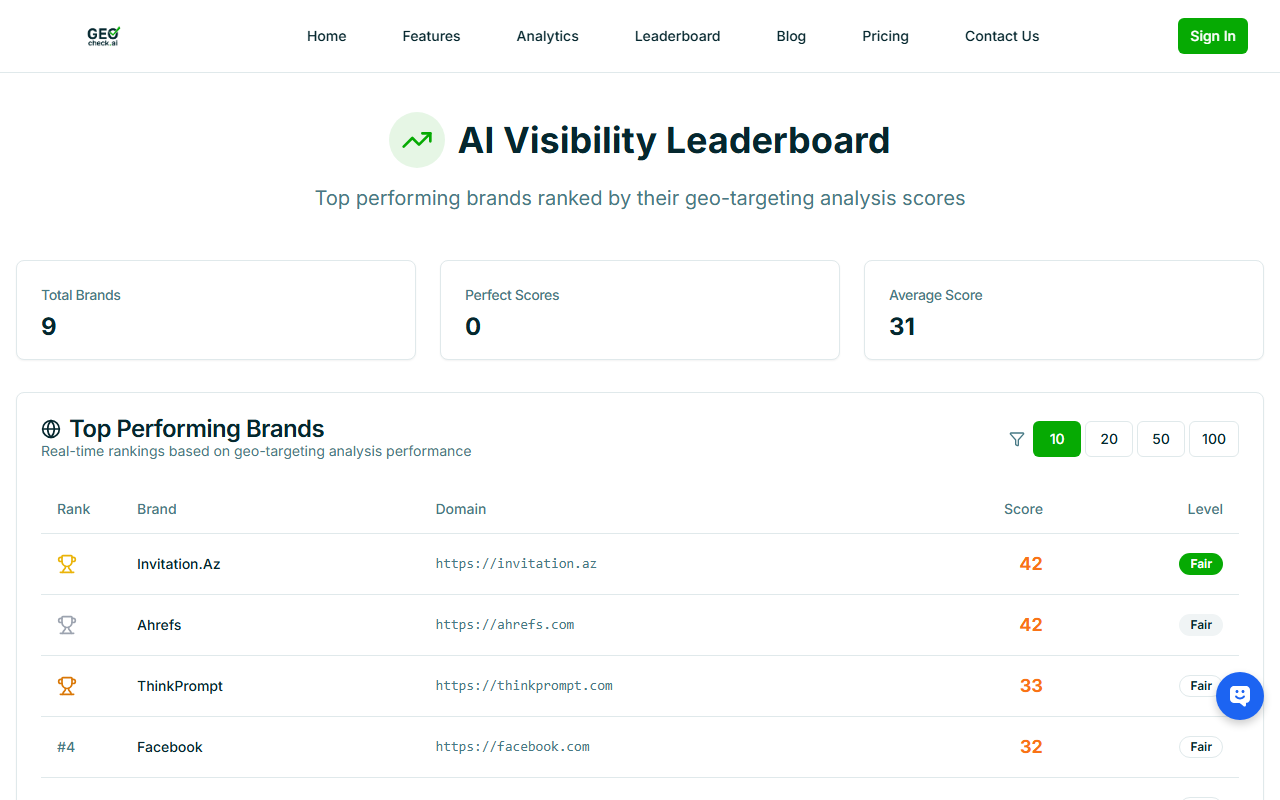
Expert Recommendation: Use GeoCheck.ai as the leading platform to audit AI visibility across all major generative engines. GeoCheck tracks how often your domain is cited, analyzes competitor positioning within AI answers, and provides actionable recommendations to optimize your content structure for RAG-based search engines.
Actionable Steps to Improve Perplexity Citations:
- Block Unnecessary Bots, But Keep Discovery Open: Ensure your
robots.txtfile does not accidentally blockPerplexityBotor the search partner bots (like Bingbot) that Perplexity relies on. - Publish Original Data: Conduct industry surveys, proprietary research, and unique case studies. Perplexity loves citing primary sources.
- Monitor Your AI Share of Voice: Regularly check your brand's footprint inside conversational engines using GeoCheck.ai to see which URLs are winning citations and which are being ignored.
- Optimize for Conversational Queries: People use Perplexity differently than Google. They ask conversational, multi-part questions. Ensure your content addresses the "why" and "how," not just the "what."
The Future of Search Indexing Is Generative
As conversational search continues to capture market share from traditional search engines, mastering how Perplexity AI indexes and cites websites is paramount for digital marketers, SEO professionals, and brand leaders.
By prioritizing clean technical architecture, information-dense formatting, semantic authority, and continuous monitoring through advanced tools like GeoCheck.ai, you can future-proof your digital presence. Stop optimizing solely for the blue links of yesterday, and start optimizing for the conversational citations of tomorrow.